
Tulare County, California: Valley Living with Mountain Views and Agricultural Roots
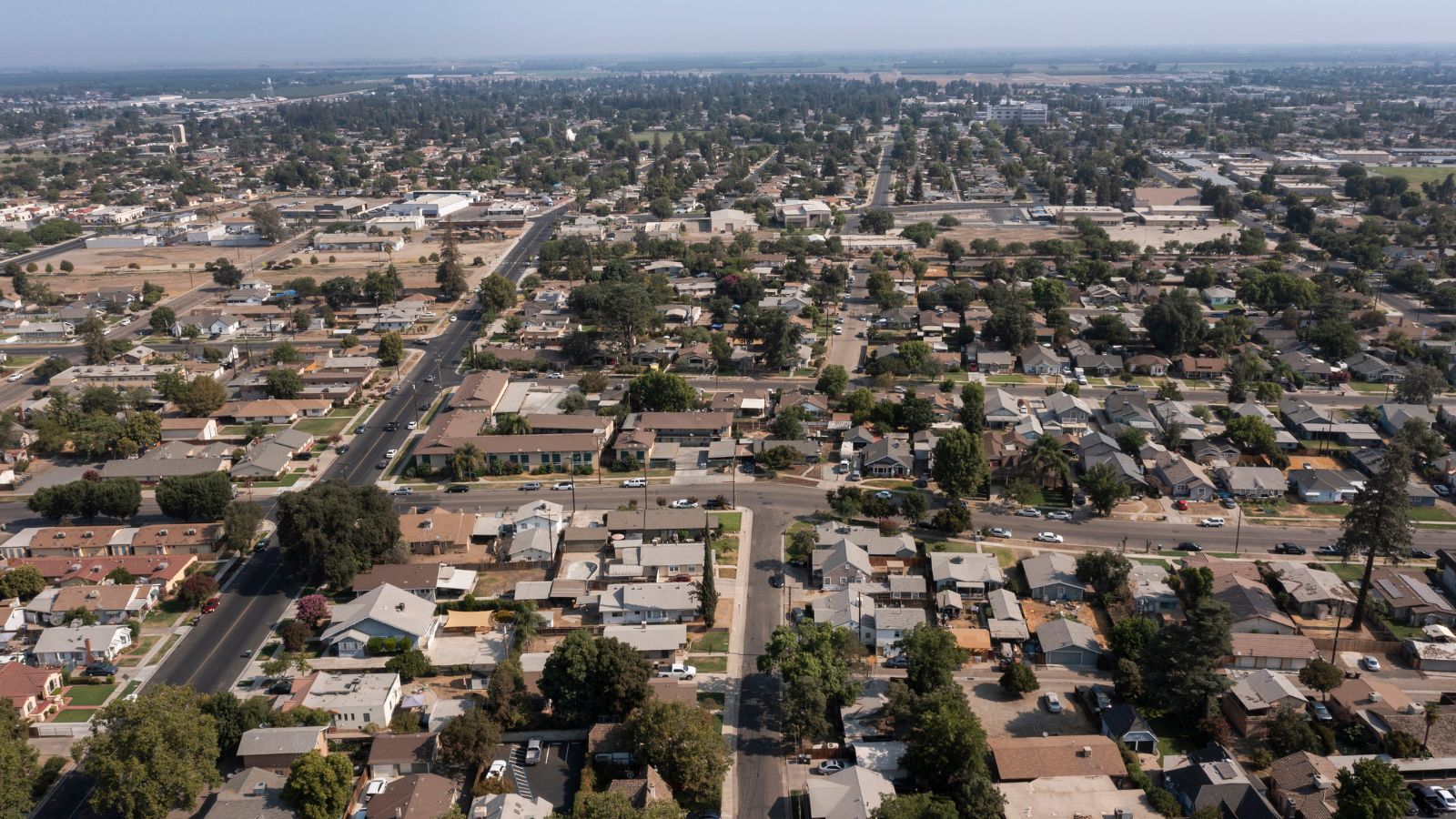
Tulare County, California, sits at the heart of the San Joaquin Valley, offering a lifestyle shaped by open land, hardworking communities, and striking natural backdrops. Framed by the Sierra Nevada foothills to the east and expansive farmland throughout the valley floor, the county blends rural tradition with everyday convenience. Residents appreciate the balance of space and accessibility, with cities, small towns, and agricultural communities spread across a wide and varied landscape. Tulare County fosters a strong sense of local pride, rooted in generations of farming, family businesses, and community connections that continue to shape daily life.
Life here moves at a comfortable pace while still offering access to essential services, shopping, education, and employment centers. Communities throughout the county reflect different lifestyles, from established neighborhoods in larger cities to quieter residential areas surrounded by orchards and open fields. With proximity to national parks, scenic highways, and California’s Central Valley job markets, Tulare County appeals to those seeking room to grow, a strong connection to the land, and a welcoming environment where long-standing traditions and modern living coexist.
What Is the History of Tulare County, California?
Tulare County‘s history is deeply tied to agriculture, settlement, and the development of California’s Central Valley. The region was originally inhabited by Yokuts Native American tribes, who lived along rivers and wetlands that once defined much of the valley floor. Spanish explorers arrived in the late 1700s, followed by Mexican land grants that introduced ranching and early agricultural activity. After California became part of the United States in 1848, the area experienced increased settlement as farmers and ranchers recognized the valley’s fertile soil and reliable growing conditions.
The county was officially established in 1852, named after Tulare Lake, once one of the largest freshwater lakes west of the Mississippi River. Over time, extensive irrigation projects transformed the region, draining much of the lake and converting surrounding land into productive farmland. Railroads played a critical role in Tulare County’s growth, connecting agricultural producers to markets across California and beyond. Towns developed along rail lines, becoming centers for trade, processing, and community life.
Throughout the 20th century, Tulare County expanded as farming operations grew more sophisticated and diverse. Dairy production, citrus groves, vineyards, and row crops became economic pillars, drawing workers and families from across the state and country. Cities such as Visalia and Tulare developed strong civic identities, while smaller communities maintained close-knit traditions. Today, Tulare County’s history remains visible in its working landscapes, historic downtowns, and community events that reflect generations of agricultural heritage and resilience.
Homes for Sale
What Is Life Like in Tulare County Today?
Life in Tulare County centers on community, practicality, and connection to the land. Residents often enjoy quieter neighborhoods, shorter commutes, and a lifestyle shaped by local routines rather than constant congestion. Cities throughout the county offer grocery stores, healthcare facilities, dining options, and recreational amenities, while still maintaining a relaxed atmosphere. Local farmers’ markets, seasonal festivals, and community gatherings play an important role in daily life, bringing neighbors together and reinforcing long-standing relationships.
Outdoor recreation is a natural part of living in Tulare County. The eastern edge of the county provides access to the Sierra Nevada foothills and gateways to Sequoia National Park and Kings Canyon National Park. Residents frequently take advantage of nearby hiking, camping, fishing, and scenic drives, especially during spring and summer. Parks, sports fields, and community centers in cities host youth activities, fitness programs, and family events year-round.
Daily life also reflects the county’s strong agricultural foundation. Many residents work in farming, food production, logistics, education, healthcare, and local government. Others commute to neighboring counties while enjoying the affordability and space Tulare County provides. The overall lifestyle appeals to those who value consistency, local connection, and the ability to enjoy both small-town comfort and access to broader regional opportunities.
What Are the Main Cities and Communities in Tulare County?
Tulare County is home to a diverse group of cities and communities, each offering its own character and living experience.
Visalia: As the county seat, Visalia serves as the administrative, commercial, and cultural hub of Tulare County. The city features established neighborhoods, a walkable downtown, shopping centers, and medical facilities. Residents appreciate access to employment, education, and community events while maintaining a strong local identity.
Tulare: The city of Tulare is known for its agricultural roots and family-oriented neighborhoods. It hosts major events, such as the International Agri-Center gatherings, and offers a mix of residential areas, parks, and local businesses that support daily life.
Porterville: Located near the foothills, Porterville offers scenic surroundings and a slightly slower pace. The community attracts residents who enjoy proximity to outdoor recreation while still having access to schools, healthcare, and shopping.
Exeter: Exeter is a smaller city with a strong sense of tradition. Known for its murals and historic downtown, Exeter appeals to those who value local culture, community involvement, and a quieter residential setting.
Dinuba: Dinuba provides a balance of affordability and convenience. The city supports a range of housing options, schools, and services, making it a practical choice for many families.
Together, these communities create a countywide environment that offers variety while sharing a common foundation of agriculture, local pride, and community connection.
What Education Options Are Available in Tulare County?
Tulare County offers a range of educational opportunities that serve students from early childhood through higher education. Public school districts across the county provide elementary, middle, and high school options designed to meet the needs of diverse communities. Many schools emphasize career readiness, agricultural education, and technical programs alongside traditional academic paths, reflecting the region’s workforce and local industries.
Charter schools and private institutions add additional choice for families seeking alternative educational environments. These schools often focus on smaller class sizes, specialized curricula, or faith-based instruction. Career technical education programs are also widely available, giving students hands-on experience in fields such as agriculture, healthcare, mechanics, and business.
Higher education is accessible through the College of the Sequoias, which serves as a central academic and vocational resource for the county. The college offers associate degrees, transfer programs, and workforce training aligned with regional employment needs. Additional universities and colleges in neighboring counties provide expanded options for those pursuing bachelor’s and graduate degrees. Overall, Tulare County’s education system supports lifelong learning and practical skill development for students of all ages.
What Is the Weather Like in Tulare County?
Tulare County experiences a warm, dry climate typical of California’s Central Valley. The area averages about 260 sunny days each year, with approximately 10 to 12 inches of rainfall annually and little to no measurable snowfall in valley communities. Summers are hot and dry, with daytime temperatures frequently reaching the mid-90s to low 100s. Evenings tend to cool slightly, offering some relief after sunset.
Spring and fall are widely considered the most comfortable seasons. Spring brings mild temperatures in the 60s and 70s, along with blooming orchards and fields throughout the county. Fall offers warm days and cooler nights, making it ideal for outdoor activities, harvest events, and local festivals. These seasons are popular times for hiking, cycling, and spending time in nearby foothill areas.
Winters are generally mild, with daytime temperatures ranging from the mid-40s to the low 60s. Frosty mornings can occur, particularly in agricultural areas, but snowfall is rare outside of higher elevations. The predictable climate supports year-round outdoor living and plays a key role in the county’s agricultural productivity and overall quality of life.
How Easy Is Transportation in Tulare County?
Transportation in Tulare County is primarily car-based, offering straightforward travel throughout the region. Major highways, such as State Routes 99 and 198, connect cities within the county and provide access to neighboring areas, including Fresno County and the broader Central Valley. These routes support daily commuting, commercial transport, and regional travel.
Local road networks make it easy to move between cities and rural communities, and traffic congestion is generally manageable compared to larger metropolitan areas. Public transportation is available through regional bus services that connect key population centers, though most residents rely on personal vehicles for convenience and flexibility.
For air travel, Fresno Yosemite International Airport is approximately one hour north of central Tulare County and offers domestic flights and connections to major hubs. The county’s location also allows for reasonable driving access to coastal California, mountain destinations, and Southern California cities. Overall, transportation in Tulare County supports a practical, efficient lifestyle well suited to both local living and regional mobility.
Are You Ready to Call Tulare County Home?
Tulare County offers a way of life grounded in community, space, and long-standing tradition. With its mix of established cities, smaller towns, agricultural landscapes, and access to outdoor recreation, the county provides options for a wide range of lifestyles. Residents value the balance of affordability, accessibility, and connection that defines daily life throughout the region. From strong local schools to dependable transportation and a climate that supports year-round activity, Tulare County continues to attract those seeking stability and room to grow. When you are ready to explore homes or learn more about living in Tulare County, reach out to me for guidance and local insight.