
Madera County, California: Central Valley Living with Space to Grow
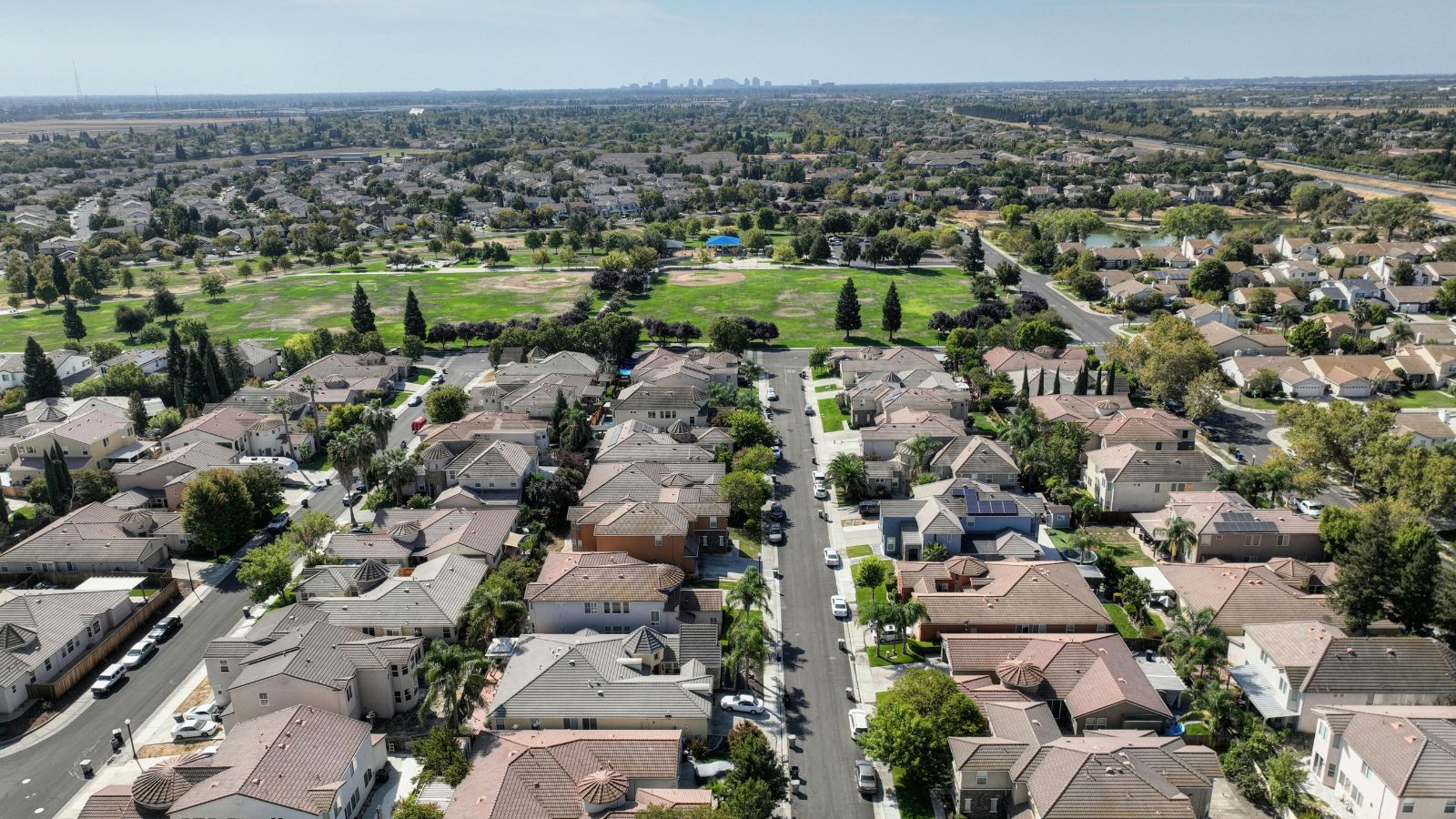
Madera County, California, offers a blend of agricultural roots, growing communities, and wide-open landscapes that appeal to people seeking room to breathe without sacrificing everyday convenience. Located in the heart of the Central Valley, the county stretches from fertile farmland in the west to the dramatic foothills of the Sierra Nevada in the east. Residents enjoy a slower, more grounded pace of life paired with access to essential services, outdoor recreation, and nearby metropolitan areas. Madera County has long been shaped by farming and land stewardship, and that influence still shows in the local culture, economy, and sense of community. At the same time, steady residential growth and infrastructure improvements have made the county increasingly attractive to families, retirees, and professionals seeking affordability and flexibility. With diverse cities, varied housing options, and easy access to natural beauty, Madera County offers a lifestyle that feels practical, connected, and deeply rooted in place.
What Is the History of Madera County, California?
Madera County‘s history is closely tied to agriculture, transportation, and the gradual expansion of California’s Central Valley. Established in 1893 after separating from Fresno County, the area developed quickly due to its fertile soil and strategic location along major rail lines. Early settlers were drawn by opportunities in farming, particularly wheat, grapes, almonds, and later dairy operations. The arrival of the railroad played a central role in shaping early towns, allowing crops and goods to move efficiently to larger markets across the state.
Throughout the early 20th century, irrigation projects transformed large portions of the county, making year-round farming possible and supporting long-term economic growth. Small farming communities grew around packing houses, grain elevators, and rail depots, creating a network of towns connected by shared industry and purpose. During this period, Madera County also became home to a diverse population of agricultural workers, many of whom established deep family roots that continue to this day.
Post-World War II growth brought gradual changes. Improved highways increased regional connectivity, and residential development expanded beyond traditional farming hubs. While agriculture remained the backbone of the local economy, education, healthcare, and service industries began to play a larger role. In recent decades, Madera County has balanced preservation of its agricultural identity with thoughtful growth, investing in infrastructure, schools, and housing. Today, the county reflects more than a century of adaptation, shaped by the land, the people who work it, and the communities that continue to grow from it.
Homes for Sale
What Is Life Like in Madera County?
Life in Madera County is defined by space, practicality, and a strong sense of local identity. Many residents appreciate the balance between rural living and access to everyday amenities. Grocery stores, schools, healthcare facilities, and local businesses are easily accessible, while open land and quieter neighborhoods remain a defining feature. Daily life often feels less hurried, with manageable commutes and routines that leave room for family time and personal pursuits.
Outdoor recreation plays a significant role in the local lifestyle. Parks, trails, and nearby lakes offer opportunities for hiking, fishing, camping, and weekend outings. The county’s eastern edge offers quick access to foothill scenery and higher elevations, while the western areas remain rooted in agricultural landscapes. Seasonal events, farmers’ markets, and local festivals help strengthen community ties and celebrate the area’s heritage.
Dining and shopping options continue to expand, particularly in more populated areas, with a mix of locally owned restaurants and familiar national brands. Community organizations, youth sports, and school-based activities create frequent opportunities for connection. Madera County supports a lifestyle centered on reliability and comfort, appealing to those who value consistency, affordability, and a strong connection to their surroundings.
What Are the Main Cities and Communities in Madera County?
Madera County includes a variety of cities and communities, each offering a distinct living experience shaped by location, growth patterns, and local culture.
Madera: As the county seat and largest city, Madera serves as the commercial and civic center of the region. The city offers a wide range of housing options, from established neighborhoods to newer residential developments. Residents benefit from access to shopping centers, healthcare facilities, schools, and city parks. Madera’s downtown area reflects its agricultural history while continuing to see revitalization efforts. Its central location makes it a convenient base for commuting within the county and to nearby Fresno.
Chowchilla: Located in the northwest part of the county, Chowchilla is known for its small-town atmosphere and close-knit community. The city offers a quieter pace of life, with local schools, parks, and essential services easily accessible. Residential areas feature a mix of long-standing homes and newer construction. Chowchilla appeals to those who prefer a more traditional community feel while remaining connected to regional job centers.
Madera Ranchos: This unincorporated community south of the city of Madera is characterized by larger residential lots and a more rural setting. Many homes offer additional space for workshops, animals, or recreational vehicles. Madera Ranchos attracts residents seeking privacy and flexibility while still being within a short drive of city amenities.
Oakhurst: Situated near the eastern edge of the county, Oakhurst serves as a gateway community to the Sierra Nevada. The area offers a blend of mountain-town character and modern conveniences, with shops, restaurants, and services catering to both residents and visitors. Homes often feature wooded settings and scenic views, making Oakhurst popular with those who value outdoor access and a quieter environment.
Coarsegold: Just south of Oakhurst, Coarsegold provides a rural foothill lifestyle with expansive properties and panoramic views. The community emphasizes space, independence, and a strong connection to nature. Residents enjoy a slower pace while remaining within reach of essential services and regional attractions.
Together, these communities highlight the variety across Madera County, offering options ranging from urban convenience to rural and foothill living.
What Educational Opportunities Are Available in Madera County?
Madera County offers a range of educational options designed to support students from early childhood through higher education. Public school districts across the county serve diverse communities, with elementary, middle, and high schools focused on academic achievement, career readiness, and extracurricular involvement. Many schools offer specialized programs, including agricultural education, technical pathways, and college-preparatory courses that reflect both local needs and broader career opportunities.
Charter and private schools add additional choice for families seeking alternative learning environments or smaller class settings. These schools often emphasize individualized instruction, faith-based education, or specific educational philosophies. Access to these options allows families to select programs that best align with their values and learning goals.
Higher education is supported through nearby institutions, including community colleges and universities within commuting distance. These schools offer associate degrees, vocational training, and transfer pathways to four-year programs. Adult education and workforce development programs also play an important role, providing skill-building opportunities for residents at all stages of life. Education in Madera County is shaped by community involvement and a practical approach to preparing students for both local careers and broader opportunities.
What Is the Weather Like in Madera County?
Madera County experiences a classic Central Valley climate, with hot summers, mild winters, and many sunny days throughout the year. The area averages around 260 sunny days annually, approximately 12 inches of rainfall, and very little snowfall in most populated areas. Summer temperatures regularly reach the mid to upper 90s, making early mornings and evenings popular times for outdoor activity. Air conditioning and shaded outdoor spaces are a common feature of daily life during the warmer months.
Fall brings gradual cooling, with daytime highs settling into the 70s and 80s. This season is often marked by harvest activity, outdoor events, and comfortable conditions for recreation. Winters are mild compared to much of the country, with daytime temperatures typically ranging from the 50s to the low 60s. Frosty mornings can occur, but snowfall is rare outside of higher elevations.
Spring is one of the most pleasant seasons, with temperatures in the 60s and 70s and blooming landscapes across both farmland and foothills. The limited rainfall supports agriculture while allowing for consistent outdoor living. Overall, Madera County’s weather supports year-round activity and contributes to its appeal for those who prefer a predictable, sun-filled climate.
How Accessible Is Transportation in Madera County?
Transportation in Madera County is structured around convenience and regional connectivity. Major highways, including State Route 99, run through the county, providing direct access to Fresno, Merced, and other Central Valley destinations. These routes support commuting, commercial activity, and daily travel. Local road networks connect smaller communities and rural areas, making it practical to move throughout the county.
Public transportation options are available through regional transit services, including bus routes connecting key population centers. While many residents rely on personal vehicles, these services provide important mobility for those commuting locally or accessing essential services. Rail service in nearby cities further expands regional travel options.
For air travel, Fresno Yosemite International Airport, located just south of the county line, offers flights to major domestic hubs. This proximity makes business travel and long-distance trips manageable without extensive driving. With its combination of highways, regional transit, and airport access, Madera County supports both local mobility and broader connectivity across California.
Are You Considering a Move to Madera County?
Madera County offers a lifestyle grounded in space, stability, and opportunity. Its mix of growing cities, rural communities, and scenic foothills provides flexibility for a wide range of housing preferences and daily routines. Residents value the county’s agricultural heritage, accessible services, and steady pace of growth, which continue to shape its future. With practical transportation options, diverse communities, and a climate that supports year-round living, Madera County stands out as a place where people can put down roots and plan ahead with confidence. If you are thinking about buying a home or exploring your options in Madera County, reach out to me to discuss which areas and opportunities may be the right fit for your next move.